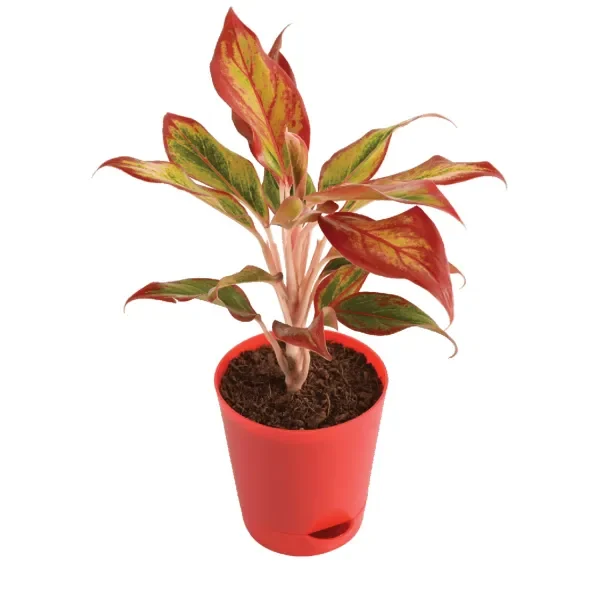
Aglaonema is a popular genus of houseplants prized for their stunning foliage, which comes in a wide array of colors and patterns, from vibrant reds and pinks to classic greens and silvers. These plants are relatively low-maintenance and can adapt to various indoor conditions, making them excellent choices for both beginners and experienced plant enthusiasts.
☀️ Sunlight: Aglaonema plants thrive in bright, indirect light. While they can tolerate lower indoor light conditions, their vibrant coloring, especially the red and pink hues, becomes more vivid and pronounced with brighter, filtered light. Varieties like ‘Snow White’ prefer bright, indirect sunlight or semi-shaded balconies. Avoid exposing any Aglaonema to harsh, direct midday sun, which can scorch the leaves, leading to bleaching (especially for lighter varieties like ‘Snow White’) or brown spots. Bright to medium indirect light is generally suitable.
💧 Water: Water your Aglaonema when the top 25-30% of the soil feels dry to the touch. You can check this by inserting your finger about an inch or two into the soil. Typically, this means watering every 5-7 days in summer and every 10-12 days in winter, depending on your home’s humidity and temperature. Overwatering is a common problem and can quickly lead to root rot. Ensure that water drains completely from the bottom of the pot and avoid letting water sit at the bottom of the pot or in a saucer.
🪴 Potting Mix: Use a well-draining potting mix that retains some moisture without becoming soggy. An ideal mix often consists of garden soil, peat moss or cocopeat, and perlite in equal parts, along with some compost. This blend provides good aeration for healthy roots while ensuring proper drainage.
🌱 Fertilizer: During the active growing season (spring to early monsoon/summer), feed your Aglaonema once a month with a balanced liquid fertilizer diluted to half strength. Varieties with more green foliage may benefit from a slightly more nitrogen-rich fertilizer. You can also give a very small amount of Nitrogen (N), Phosphorus (P), and Potassium (K) (e.g., 3-4 drops of diluted solution) once in a while. Avoid fertilizing in winter or in low light conditions when the plant’s growth naturally slows down. Over-fertilizing can harm the delicate roots.
🌡️ Temperature & Humidity: Aglaonema plants prefer average to warm room temperatures, ideally between 18-29°C (65-85°F). They appreciate moderate to high humidity. If your indoor air is dry, especially in winter, consider placing a bowl of water near the plant, using a pebble tray, or misting the foliage occasionally (though be cautious of leaf spots if water sits on leaves). Protect them from sudden temperature changes, cold drafts, or exposure to cold windows, as temperature stress can cause yellowing or droopiness.
🐛 Possible Pests & Control: Aglaonema plants are generally resilient but can sometimes attract common houseplant pests like spider mites, mealybugs, and aphids.
- Control: Regularly wipe leaves with a damp cloth to keep them clean and to check for pests. For infestations, use neem oil spray as a safe and effective preventive or treatment measure. You can also dab pests directly with a cotton swab dipped in rubbing alcohol.
Troubleshooting Common Aglaonema Plant (any kind) Problems –
💛 Yellow Leaves / 🍂 Brown Edges & Black Spots: Yellowing leaves are a common sign that something is amiss.
- Watering Problems (Too Much Water): This is the most frequent cause of yellowing, especially if all leaves are turning yellow. Overwatering leads to root rot. Ensure you are watering only when 25-30% of the soil has dried out, and that the pot has proper drainage. Check if water is draining properly from the bottom.
- New vs. Older Leaves: If older leaves are turning yellow, it’s often a normal part of the plant’s aging process, and nothing to worry about. However, if new-born leaves are turning yellow, then it’s time to investigate environmental factors.
- Environmental Stress: Leaves with brown edges and black spots often indicate environmental stress. This could be due to inconsistent watering, dry air, or water quality issues.
- Root-bound: If you are confident you are watering correctly, but all leaves are still turning yellow, check if the plant is root-bound. If roots are circling the pot excessively, try repotting in a larger pot to give the roots more space.
- Hard Tap Water: Brown leaf tips can arise from chemicals (like fluoride or chlorine) in hard tap water. If possible, use filtered water, RO water, or distilled water.
🥀 Droopy Leaves: Drooping leaves typically indicate a watering or light issue.
- Underwatering: If the soil is too dry, drooping leaves can indicate underwatering. Ensure consistent watering once the top layer of soil dries out. Too much dried soil can also lead to leaf browning.
- Overwatering: Paradoxically, overwatering can also cause droopy leaves as it leads to root issues that prevent water uptake. Check soil moisture carefully.
- Insufficient Sunlight: Droopy plant leaves can be a sign of insufficient sunlight. Relocate the plant to a brighter spot with indirect light.
- Sudden Temperature Drops: Droopiness can also be due to sudden temperature drops or exposure to cold winter nights. Protect the plant from cold or drafty windows.
🌿 Curling Leaves:
- Too Much Sunlight: Curling leaves are often a sign of too much direct sunlight. The plant curls its leaves to protect itself from intense light. Move the plant to a location with brighter, but indirect, light.
- Underwatering: While less common for curling, severe underwatering can sometimes cause leaves to curl as the plant tries to conserve moisture. Ensure thorough watering when the soil is dry.
🟤 Leaf Spot:
- Bacterial/Fungal Issues: Spots on leaves may be from a bacterial or fungal infection, often caused by excess moisture on the foliage or overwatering.
- Prevention: Avoid wetting the foliage when watering. Ensure good ventilation around the plant and let the soil dry slightly between waterings. Remove affected leaves promptly to prevent the spread of disease.
💡Other Important Tips:
- Humidity: If placing the plant in a low humidity area, try placing a bowl of water near the plant to increase local humidity.
- Cleaning Leaves: Regularly wipe the leaves with a damp cloth to remove dust. This keeps the leaves looking glossy and allows for better photosynthesis.
By understanding these signs and adjusting your care routine accordingly, your Aglaonema plant will thrive and continue to display its stunning foliage!