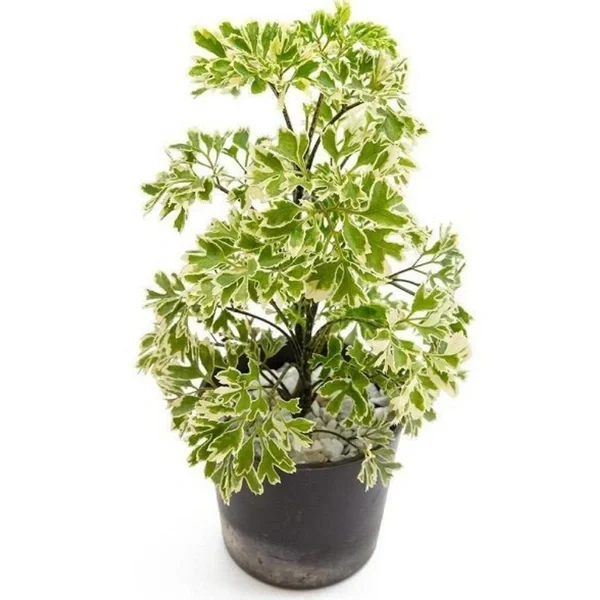
Aralia plants, belonging to the genus Polyscias, are elegant houseplants admired for their unique and diverse foliage, which can range from delicate, feathery leaves to round, glossy ones. They add a sophisticated touch to any indoor space and, with proper care, can thrive for many years.
☀️ Sunlight: Aralia plants prefer bright, indirect light. They can tolerate medium light conditions, but their foliage will be lusher and more vibrant with ample indirect illumination. An east or north-facing window is often ideal. While some varieties can handle a bit of direct morning sun, avoid prolonged exposure to harsh afternoon direct sunlight, as it can scorch their delicate leaves. Insufficient light can lead to leggy growth and less vibrant foliage.
💧 Water: Water your Aralia when the top 1-2 inches of soil feel dry to the touch. They prefer consistently moist soil, but it’s crucial to avoid overwatering and soggy conditions, which can quickly lead to root rot. The frequency of watering will depend on the ambient temperature, humidity, and the size of your pot, typically every 7-14 days. In winter, reduce watering as the plant’s growth slows down. Always ensure that excess water drains out of the bottom of the pot.
🪴 Potting Mix: Use a well-draining, peat-based potting mix that retains some moisture without becoming waterlogged. A mix formulated for houseplants, often containing peat moss, perlite, and pine bark, works well. Good drainage is essential for Aralias to prevent root issues.
🌱 Fertilizer: Feed your Aralia plant with a balanced liquid fertilizer (e.g., 10-10-10 or similar) every 2-4 weeks during the active growing season (spring and summer). Dilute the fertilizer to half strength to avoid over-fertilization. Avoid fertilizing in winter when the plant’s growth naturally slows down. Over-fertilization can lead to salt buildup in the soil, which can harm the roots and cause leaf burn.
🌡️ Temperature & Humidity: Aralia plants thrive in average to warm room temperatures, ideally between 18-29°C (65-85°F). They are sensitive to cold and do not tolerate temperatures below 15°C (60°F) well. Aralias appreciate high humidity, mimicking their natural tropical habitat. If your indoor air is dry, especially in winter, consider misting your plant regularly, placing it on a pebble tray filled with water, or using a humidifier nearby. Protect them from cold drafts or sudden temperature fluctuations.
🐛 Possible Pests & Control:
Aralia plants can be susceptible to common houseplant pests such as spider mites, aphids, mealybugs, and scale insects.
Control: Regularly inspect your plant’s leaves (especially the undersides) for any signs of pests. If pests are detected, you can apply neem oil spray, insecticidal soap, or dab them with a cotton swab dipped in rubbing alcohol. Ensure good air circulation around the plant, as this can help deter spider mites.
Troubleshooting Common Aralia Plant Problems –
💛 Turning Yellow: Yellowing leaves are a key indicator of environmental stress, often related to watering or nutrients.
Overwatering: If you observe yellow leaves accompanied by mushy stems, it’s a strong sign of overwatering leading to root rot. The roots are suffocating and dying.
Solution: Immediately reduce watering frequency. Allow the top soil to dry out more thoroughly between waterings. Ensure proper drainage holes in the pot. If severe, consider repotting into fresh, well-draining soil after inspecting and trimming any rotten roots.
Underwatering: If yellow leaves have dry and crisp edges, it typically indicates underwatering. The plant is not getting enough moisture.
Nutrient Deficiency: A general yellowing (chlorosis) can also be a sign of a nutrient deficiency.
Solution: Ensure you are using a balanced fertilizer during the growing season as recommended. This provides essential macronutrients (Nitrogen, Phosphorus, Potassium) and micronutrients the plant needs.
Pest Infestation: If yellowing is accompanied by webbing, sticky residue, or visible insects, check if pests like spider mites have infested your plant. These pests feed on plant sap, causing discoloration.
🥀 Droopy Leaves: Drooping leaves usually signal a watering issue or stress.
Underwatering: If the soil is very dry, droopy leaves are a clear sign the plant is thirsty.
Overwatering/Root Rot: Similar to yellowing, severe overwatering leading to root rot can also cause droopy leaves as the damaged roots cannot supply water to the foliage.
Temperature Stress: Sudden drops in temperature or cold drafts can cause leaves to droop.
🍂 Brown Leaf Tips/Edges: Brown leaf tips or edges are common and often related to environmental factors.
Low Humidity: Aralias prefer high humidity. Dry indoor air is a common cause of brown tips.
Water Quality: Chemicals (like chlorine or fluoride) in tap water or excessive salt buildup can also lead to brown tips.
Inconsistent Watering: Periods of extreme dryness followed by drenching can stress the plant and result in brown tips.
🟤 Leaf Spot:
- Fungal/Bacterial Issues: Spots on leaves may indicate a bacterial or fungal issue, often exacerbated by high humidity combined with poor air circulation or water sitting on the foliage.
- Solution: Avoid watering the leaves directly. Ensure good airflow around the plant. Remove affected leaves promptly to prevent the spread of disease.
💀 Dying: If any of the above-mentioned problems (severe overwatering leading to root rot, prolonged underwatering, severe pest infestations, or extreme temperature stress) are not treated promptly and effectively, those may kill the plants. Regular observation and quick intervention are key to an Aralia’s survival.
By understanding these signs and adjusting your care routine accordingly, your Aralia Plant will remain a beautiful and thriving specimen in your home!