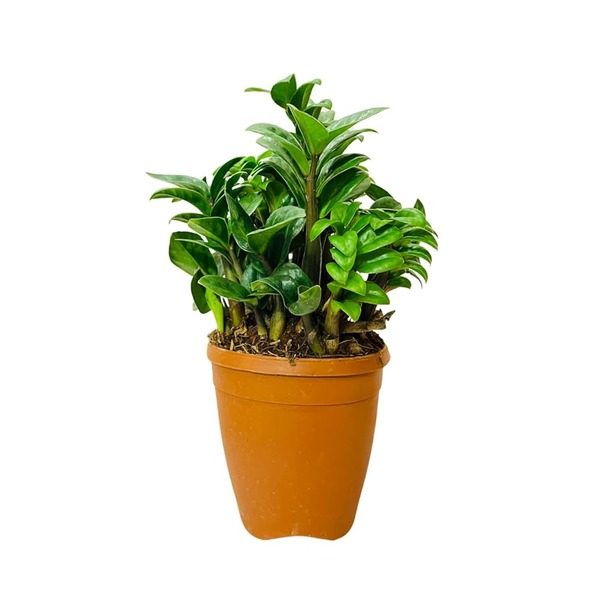
The ZZ Plant, or Zamioculcas zamiifolia, also known as Zanzibar Gem, is a highly popular houseplant renowned for its remarkable resilience and striking, waxy, dark green leaves. Its ability to tolerate neglect and thrive in a wide range of conditions makes it an ideal choice for beginners, busy individuals, and those looking for a low-maintenance yet elegant plant.
☀️ Sunlight: ZZ Plants are incredibly tolerant of low light conditions, which is one of their most appealing features. They can survive in very dim rooms, making them perfect for offices or north-facing rooms. However, they will thrive and exhibit better growth in bright, indirect light. While they can adapt to slightly brighter conditions, avoid prolonged direct sunlight, as it can scorch their leaves. Generally, this plant can tolerate low light, but it does require minimum light; if the plant is getting no light at all, then it may struggle and turn yellow.
💧 Water: This is the most crucial aspect of ZZ Plant care. ZZ Plants are highly susceptible to overwatering due to their rhizomatous roots that store water. Allow the soil to dry out completely between waterings. You can check this by inserting your finger or a stick into the soil to about 2 inches (5 cm); do not water if the soil is soggy. In most indoor environments, this means watering every 2-4 weeks, or even less frequently in winter (once a month or less). When you do water, ensure thorough drainage from the bottom of the pot.
🪴 Potting Mix: Use a well-draining potting mix that prevents water from sitting around the roots. A cactus or succulent mix is ideal. If using a standard potting mix, amend it with perlite, coarse sand, or pumice to improve drainage and aeration. Good drainage is paramount for preventing root rot in ZZ Plants.
🌱 Fertilizer: ZZ Plants are very light feeders and do not require frequent fertilization. You can add a balanced liquid fertilizer once a month during the growing season (spring and summer), diluted to half or quarter strength. Avoid fertilizing in winter when the plant is dormant. Over-fertilization can lead to a buildup of salts in the soil, which can damage the plant.
🌡️ Temperature & Humidity: ZZ Plants prefer average room temperatures, ideally between 18-29°C (65-85°F). They are quite tolerant of dry indoor air and do not require high humidity, making them well-suited for most homes and offices. Protect them from cold drafts or temperatures below 10°C (50°F), as they are sensitive to cold.
🐛 Possible Pests & Control: ZZ Plants are remarkably pest-resistant, making them even easier to care for. Occasionally, they might attract mealybugs or scale, especially if the plant is stressed or kept in a very humid, poorly ventilated environment.
- Control: If pests appear, wipe them off with a damp cloth or a cotton swab dipped in rubbing alcohol. For more persistent issues, use a neem oil spray or insecticidal soap.
Troubleshooting Common ZZ Plant Problems –
💛 Turning Yellow: Yellowing leaves are almost always a sign of a watering or light issue.
- Overwatering (Most Common Cause): This is the primary reason for yellowing leaves. If the soil remains soggy for too long, the rhizomes can rot, causing leaves to turn yellow.
- Solution: Insert your finger or a stick into the soil to 2 inches (5 cm) to check if the soil is wet. Don’t water if the soil is soggy. Allow the soil to dry out completely between waterings. If severe, you might need to check for root rot (see “Rotting” below).
- Lighting Problem: While ZZ plants tolerate low light, they do require a minimum amount. If the plant is getting no light at all or is in extreme darkness, the leaves may start to yellow due to lack of energy.
- Solution: Relocate the plant to an area where it receives at least some ambient or very low indirect light.
🥀 Droopy Leaf: Droopy leaves usually indicate a watering issue.
- Underwatering (Most Common Cause): If the soil is excessively dry for an extended period, the leaves may start to droop and appear deflated as the plant uses its stored water.
- Solution: Change your watering routine to water more frequently when the soil is completely dry. Ensure that the drainage is efficient when you do water.
- Overwatering: While less common for visible droopiness compared to underwatering, severe overwatering leading to root rot can also cause leaves to become soft and droopy as the plant can no longer take up water efficiently.
- Solution: Check soil moisture. If soggy, withhold water and inspect roots.
- Trimming: You can trim the yellow parts of the leaf while leaving the green parts if only a portion is affected.
𓇢𓆸 Not Growing: If your ZZ Plant isn’t putting out new growth, consider these factors –
- Root Health Issues / Not Enough Space: ZZ Plants grow from tuber-like rhizomes underground that need space to expand. If the plant is root-bound, these rhizomes won’t have enough room to grow, hindering new shoot development.
- Solution: Carefully inspect the roots. If they are circling the pot tightly, the plant may need more space. Repot into a slightly bigger pot (one size up) to give the tuber-like roots enough room to grow.
- Insufficient Light: While they tolerate low light, extremely dim conditions will slow down growth significantly.
- Solution: Ensure the plant is receiving at least minimum light; move it to a slightly brighter, indirect light spot if it’s in total darkness.
- Lack of Fertilizer: Although not heavy feeders, a complete lack of nutrients can stunt growth over time.
- Solution: Add a balanced liquid fertilizer once a month during the growing season (spring and summer), diluted to a quarter or half strength.
🟫 Rotting (Often Indicated by Yellowing/Mushy Leaves): Rotting is almost exclusively due to overwatering.
- Symptoms: Soft, mushy stems or leaves, foul odor from the soil, rapid yellowing and collapse of the plant.
- Solution: If you suspect rotting, immediately stop watering. Gently remove the plant from its pot and inspect the rhizomes and roots. Trim away any mushy, black, or foul-smelling parts using sterilized scissors. Allow the healthy parts to air dry for a few days to callus over before repotting in fresh, very well-draining soil. Do not water for at least a week after repotting.
By understanding these signs and adjusting your care routine accordingly, your ZZ Plant will continue to be a robust, low-maintenance, and attractive presence in your home!